A constant flow of action with some pacing issues.
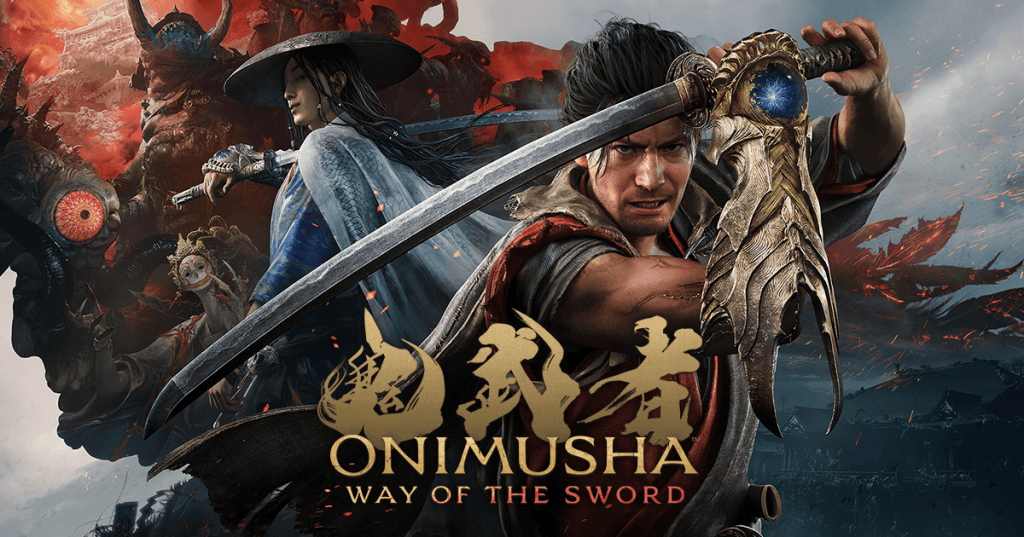
Okay so I finally got around to finishing this game after stopping about 2 hours from the end because I was getting burnt out. Onimusha: Way of the Sword is a damn near perfect example of combat done right in an action-focused game but really would have benefited from a shorter run time or less tedious objectives that often revolved around fighting the same enemy for the past 23 hours that it took to finish this game.
Sound
One thing that I’d like to praise Onimusha for is its sound design and how amazing and crisp the sound of swords clashing is. Hearing the clang of a perfect parry followed by the gushing sound of blood is incredibly satisfying and adds to the reward of timing the parry just right. On a soundtrack note there was nothing too memorable other than it was just good, and made the cutscenes feel very cinematic.
Art
Onimusha: Way of the Sword looks and performs really well and is another example of the impressive work done on optimizing the RE Engine post 2025. Throughout my whole playtime, I played a bit on the Steam Machine but mostly my PC and didn’t have a single performance issue, a big step up from Capcom’s previous versions of the RE Engine responsible for running games like Monster Hunter Wilds and Dragon’s Dogma 2.
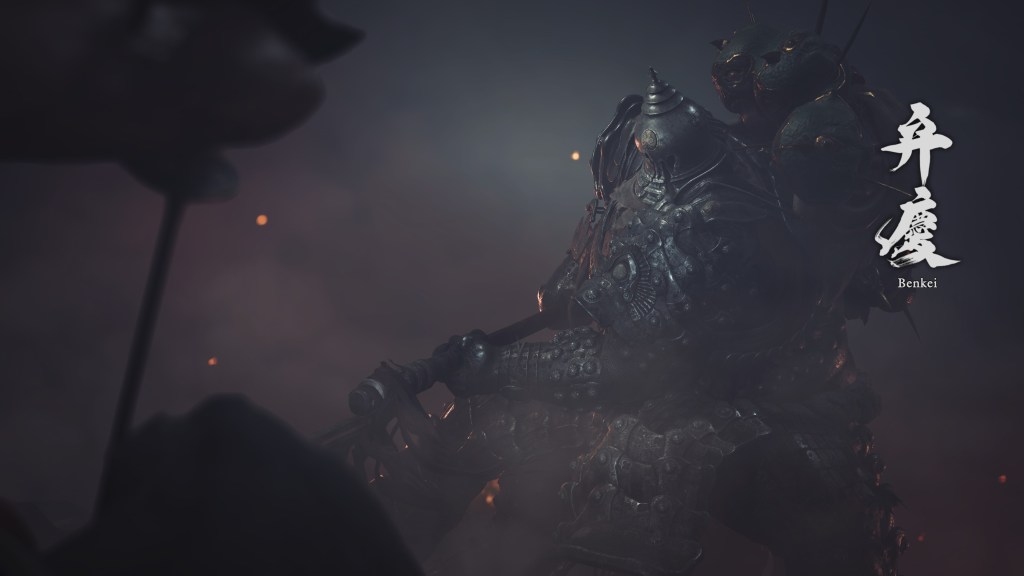
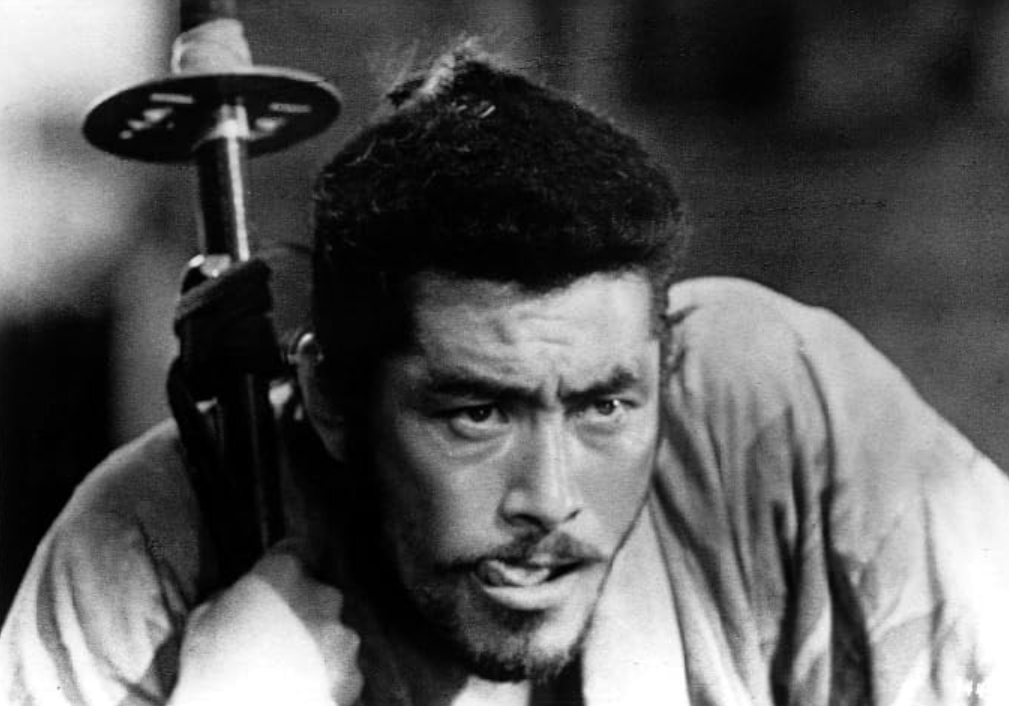
The art style as a whole is pretty good and there are some creative monster designs and really cool-looking areas. One standout area to me was Dokyo’s Underground Laboratory because of how it leaned into horror a little more, reminding me of an area straight out of Resident Evil. I also thought that the rural eastern Kyoto village was done really nicely and sometimes reminded me of Junji Ito’s work with the way the village was getting corrupted. Another nice detail is how the weather can dynamically change, making Kyoto visually stunning when it starts to rain. One complaint I have, however, is how limited the environments you explore feel. I felt like a lot of my playtime came from running around this village in eastern Kyoto rather than exploring new areas. One final note about the art is the facial animations and how expressive they are, particularly on the main protagonist, Miyamoto Musashi, modeled off of long-dead Japanese actor Toshiro Mifune. This is some of the best facial animation I have seen in video games, and I look forward to seeing Capcom evolve this technology even further in their future games.
Characters and Story
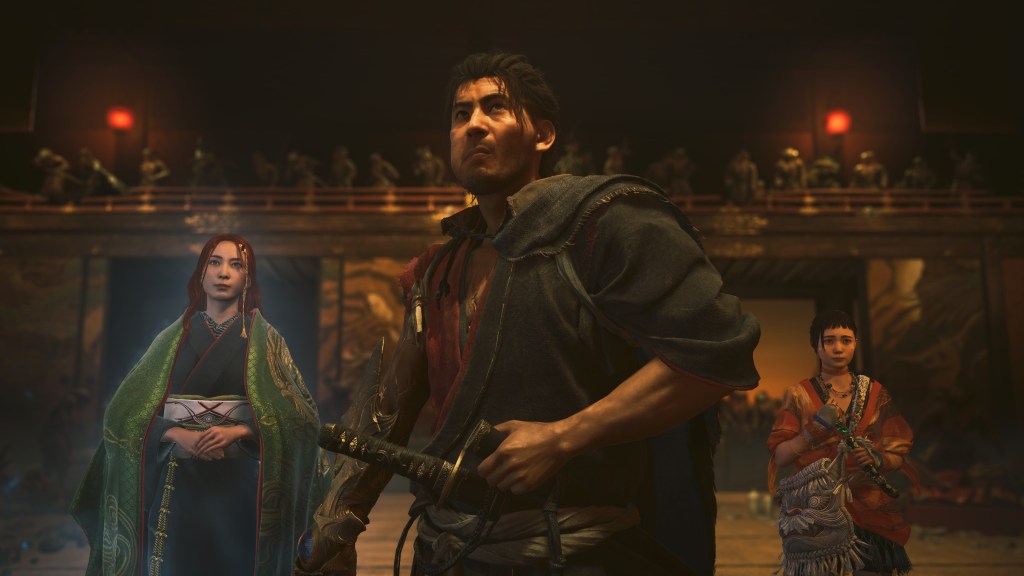
The story follows Miyamoto Musashi, a lone samurai who arrives in Kyoto determined to master the way of the sword and prove himself as a warrior. However, upon his arrival he is set upon by the Genma. Only after being granted an Oni Gauntlet and its power does Musashi find himself being able to take on the Genma. My main complaint with the story was the pacing feeling very slow in the middle of the game; however, it does pick up and end really impactfully.
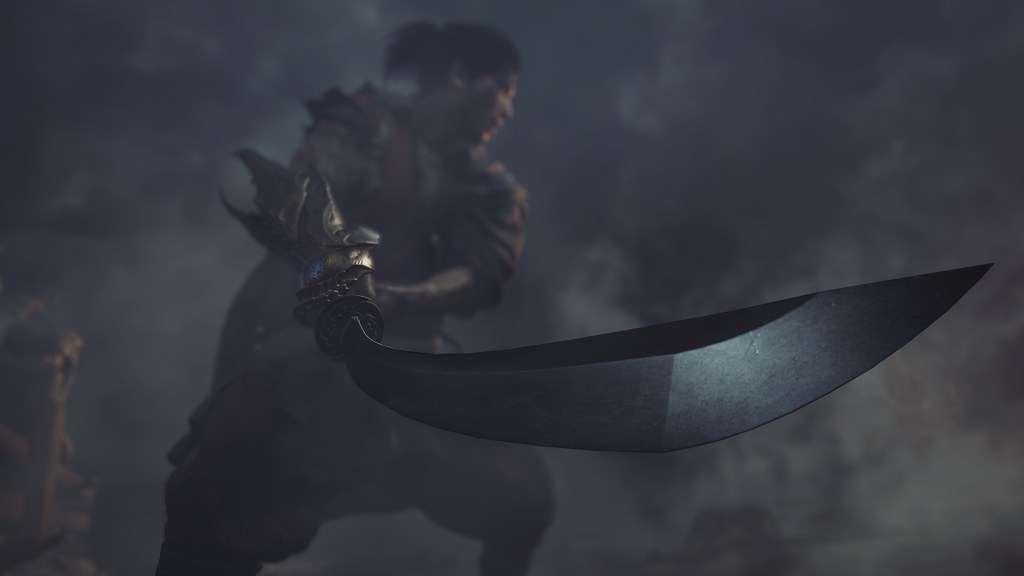
Miyamoto Musashi and all the characters that surround him on his journey are really well written, with Musashi being one of the coolest video game protagonists I’ve seen in a while. Occasionally, you’ll be fighting Genma and hear Musashi drop a line like, “Mouthy Genma fucks…” or “What are you laughing at piggy?” which really adds to his action-movie-like confidence and just makes him a really fun protagonist to play as even though it can be occasionally corny.
Gameplay
The combat in Onimusha: Way of the Sword is really, really satisfying… The parries into a finisher feel insanely satisfying and were the main fun element I got out of this game. Other than that, I found that the bosses had a nice difficulty to them, and they all felt unique the first time fighting them. Some standouts for me were the Ifuu fight and the Dokyo fight.
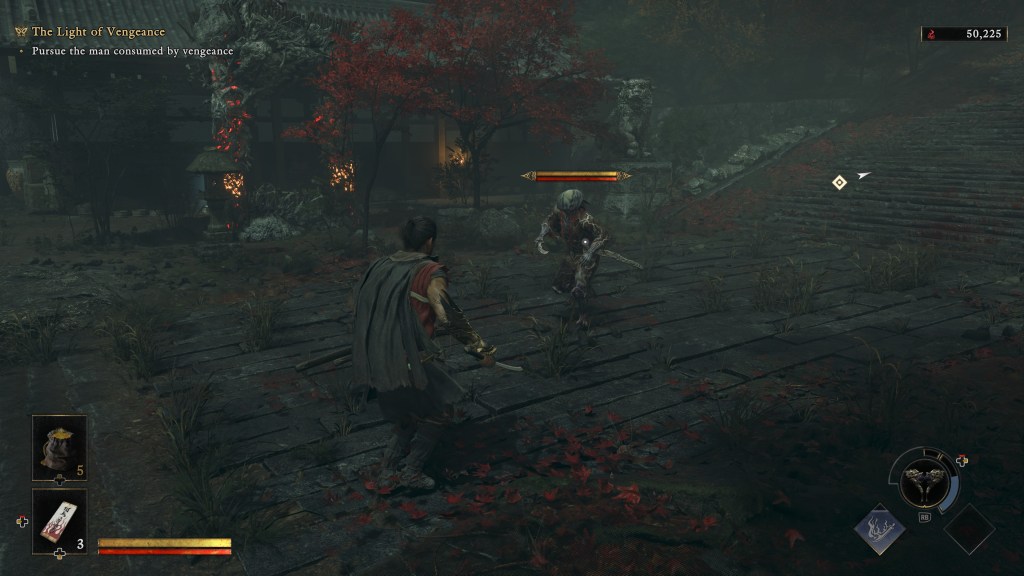
One mechanic I really liked was how you are able to incorporate some environmental objects into combat, for example pushing a cart into a group of enemies to take them out in one go, using a tatami mat as a shield before hurling it into enemies, or using cloth to throw onto enemies, temporarily blinding them. I felt this sort of combat was criminally underused and I wish it could have expanded upon more. This leads me to my main complaint of the game: rifts. Rifts are dimensional portals scattered across Kyoto that spawn waves of Genma. This would be a tolerable objective if there were just more objective variety in general. Rifts will also often spawn reused enemies and bosses that get very tiring later on. A prime example of this is on “the demon on the mount” mission where it sets up this big cool-looking boss area only to be met with ANOTHER seal the rift objective with reused enemies and the same “boss” (which I’m using that term lightly since I’ve fought Dohatsu-ten about 10 times now) which honestly just makes the game feel cheap where they could have put a unique encounter in.
Verdict
In conclusion, Onimusha: Way of the Sword is a great action game with insanely satisfying combat and some great characters but overstays its welcome because of its issues with the pacing of the story around the middle of the game, a lack of enemy variety, and fairly limited environments to explore.
8/10

Review by Oliver Charlesworth
Published on Oct 28, 2026, 5:50 AM PDT


Leave a Reply